01
The biology of a breakout
Acne develops within the pilosebaceous unit: a hair follicle and its sebaceous gland. Oil production, changes in the way cells shed inside the follicle, inflammation and the activity of Cutibacterium acnes interact. This bacterium normally lives on skin; acne is not simply an infection or something you catch.
A blocked follicle can form a closed comedone (whitehead) or an open comedone (blackhead). The dark appearance of a blackhead is not trapped dirt. Inflammation can produce papules and pustules; deeper, painful lesions are often called nodules. Different lesion types can appear together, rather than progressing through one fixed sequence.
02
Why acne happens
Hormonal influences can increase sebum production, particularly during puberty, but acne also affects adults. Genetics, some medicines, oily or occlusive products and friction can contribute. Stress may worsen existing acne; it is not the explanation for every breakout.
In darker skin tones, inflammation may leave persistent post-inflammatory hyperpigmentation even after a spot has settled. Irritation from harsh products can add to this burden. Acne-related dark marks and permanent scars are different problems and may need different approaches.
A breakout is a biological process, not a personal failing.
03
What the evidence tells us
The American Academy of Dermatology’s 2024 guideline supports treatments including topical retinoids and benzoyl peroxide; salicylic acid and azelaic acid are among other options with conditional recommendations. Combining treatments with different mechanisms is often useful. Choice depends on lesion type, severity, skin tolerance and individual circumstances.
More extensive or scarring acne may need clinician-directed oral treatment. Antibiotic use should be limited and paired appropriately to reduce resistance; isotretinoin is a specialist option for severe or otherwise appropriate acne. These are treatment discussions—not a recommendation to self-prescribe.
- — Retinoids address follicular plugging and other acne processes.
- — Benzoyl peroxide helps reduce acne-associated bacteria without the same resistance concerns as antibiotics.
- — Azelaic acid may have a role when acne and post-acne pigmentation coexist.
04
Care that respects the skin barrier
Wash gently with a mild cleanser, generally twice daily and after sweating. Use fingertips rather than abrasive scrubs. Choose non-comedogenic moisturizer and sunscreen; this label is helpful but does not guarantee that every product suits every person.
Avoid picking, squeezing and repeatedly switching products. Allow a consistent treatment plan time to work, and discuss significant irritation with a clinician. Sun protection helps prevent dark marks from becoming more noticeable.
05
Three common misconceptions
“Acne means dirty skin.” Acne begins inside follicles; more aggressive washing can worsen irritation.
“Drying the skin as much as possible is helpful.” Barrier damage can make care less tolerable and can worsen inflammation and discoloration.
“Every red bump needs the same treatment.” Comedonal, inflammatory and nodular acne differ; look-alike conditions can also need different care.
06
When to seek professional evaluation
See a dermatologist for painful deep lesions, scarring, persistent acne despite consistent care, or significant distress. Sudden changes, unusual distributions or suspected medication effects also deserve assessment.
A clinician can distinguish acne from other follicular or inflammatory conditions, review your medical history and tailor treatment—including adjustments for sensitive skin and pigmentation risk.
07 / Product perspective—not independent evidence
The CUTIS perspective
Cutis Anti Acne Cream contains NDGA and Oleanolic Acid and is positioned by CUTIS around clearer-looking skin and sebum-control support. These product statements are distinct from independent medical evidence. NDGA and Oleanolic Acid are not established first-line therapies in the AAD acne guideline; no CUTIS-specific clinical trial is presented here. Sun protection is a complementary care step, not an acne treatment.
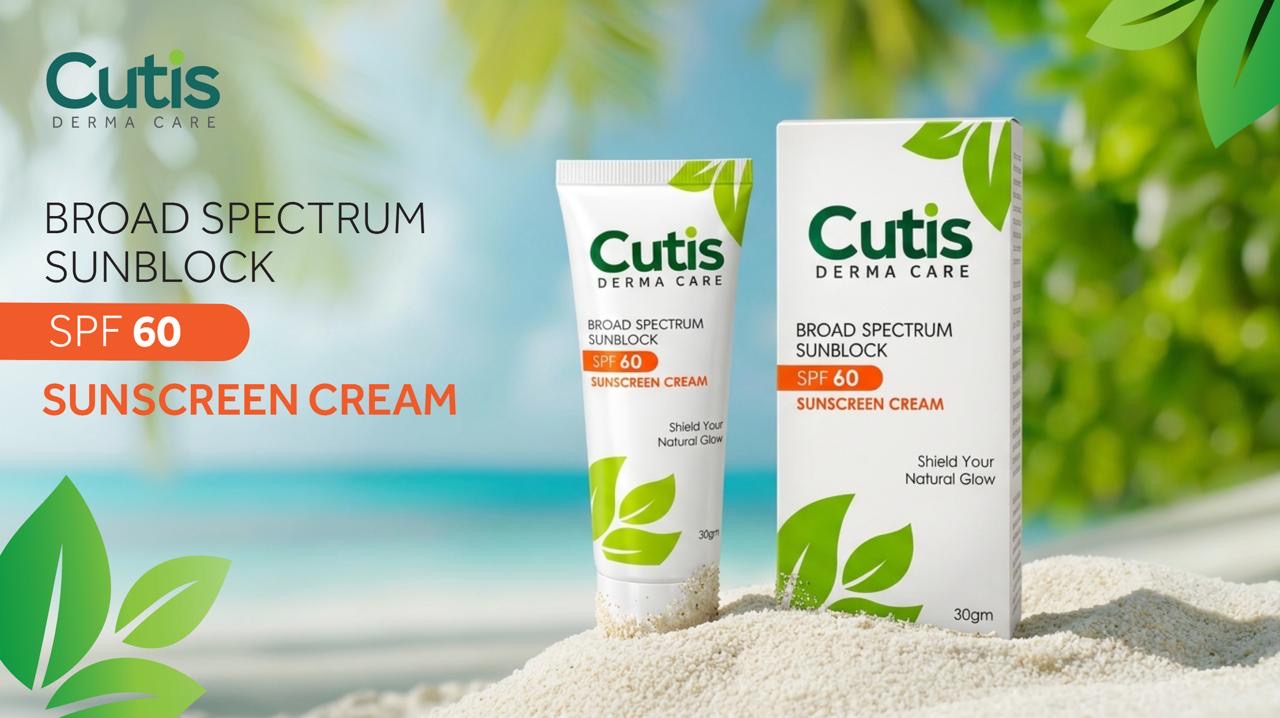
Broad Spectrum Sunblock SPF 60
Product reference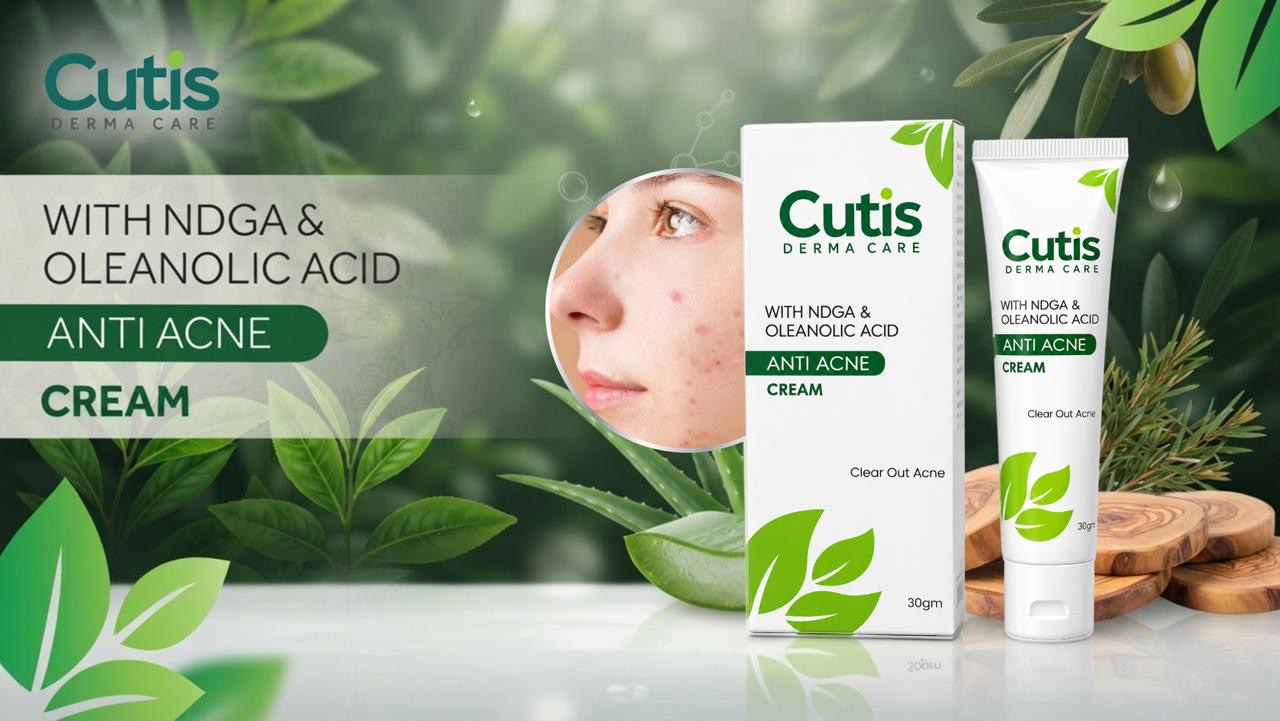
Cutis Anti Acne Cream
Product reference08
Sources & further reading
Independent sources underpin the educational sections. CUTIS product statements are considered separately.
Educational information only. This page does not diagnose a condition or replace individualized medical care. Consult a qualified healthcare professional for assessment and treatment.
← All concerns