01
Melanin and pigment change
Melanin is produced by melanocytes and transferred to nearby skin cells. It contributes to natural skin color and helps protect against UV damage. Hyperpigmentation describes areas with more pigment; it does not identify the cause by itself.
Post-inflammatory hyperpigmentation (PIH) follows inflammation or injury, including acne, eczema, picking and irritating treatments. Melasma often appears as facial patches and is influenced by sunlight, hormonal factors and individual susceptibility. A dark mark can be superficial or deeper, which affects how long it lasts.
02
Why some marks linger
PIH is often more noticeable and persistent in darker skin tones. Ongoing inflammation, repeated injury and ultraviolet exposure can sustain it. Visible light can also aggravate pigmentation, particularly in melasma and darker skin.
Hormonal changes, certain medicines, irritating cosmetics and repeated friction may contribute. Some spots are unrelated to cosmetic pigmentation concerns, so an unusual or changing lesion should not be treated at home as an ordinary dark mark.
Treat the reason for pigmentation, not natural skin tone.
03
Different causes need different approaches
Controlling the underlying inflammation and protecting against light exposure are foundational. Depending on the diagnosis, a dermatologist may consider azelaic acid, retinoids, carefully supervised hydroquinone or other targeted treatments. Procedures can help selected people but can also trigger further PIH, especially when inflammation or irritation is not controlled.
Research on oral glutathione for pigment change includes small studies with limitations in duration, formulation and long-term safety data. It does not establish a guaranteed, lasting result or validate the specific GLU1C formulation. Evidence from collagen supplements likewise cannot be transferred automatically between different doses and finished products.
04
Prevent new marks while caring for old ones
Use gentle cleansing, moisturizer and consistent broad-spectrum SPF 30+ sun protection. For melasma or persistent pigmentation, discuss tinted sunscreen containing iron oxides to address visible light; not all sunscreens provide this feature.
Avoid picking acne and avoid aggressive scrubbing, unregulated lightening products or unsupervised steroid-containing creams. Introduce potentially irritating treatments carefully and stop escalating products if skin is inflamed. Pigment improvement is usually gradual; rapid promises deserve skepticism.
05
Three common misconceptions
“All dark spots are the same.” PIH, melasma and other lesions differ in cause and care.
“Stinging means a pigment product is working.” Irritation can generate more inflammation and pigment change.
“A supplement replaces sunscreen or acne care.” Supplements do not remove the need to prevent UV exposure or treat an underlying skin condition.
06
When a dermatologist can help
Seek assessment for new, changing, uneven, bleeding or symptomatic spots, or pigment change with no clear cause. Persistent melasma or PIH, significant distress and irritation from self-treatment are also reasons to ask for a tailored plan.
A professional can distinguish pigment changes from other lesions and weigh treatment benefits against the risk of additional irritation or discoloration.
07 / Product perspective—not independent evidence
The CUTIS perspective
CUTIS positions GLU1C Tablets around radiance, elasticity and skin texture, with glutathione, collagen peptides, alpha lipoic acid and vitamin C. These are product-positioning statements—not proof that GLU1C treats melasma or PIH. Sun protection and appropriate care of the underlying condition remain central.
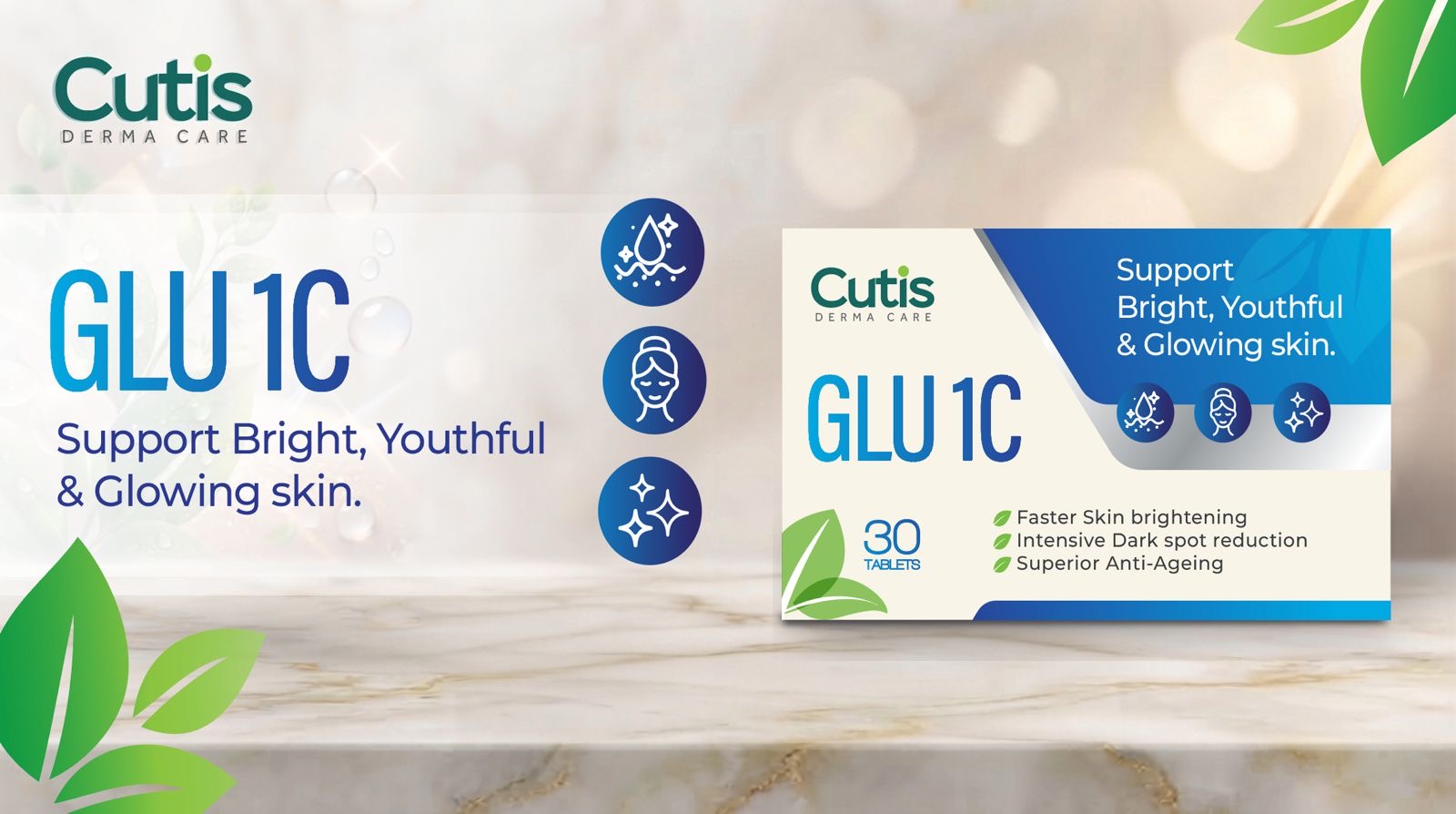
GLU1C Tablets
Product reference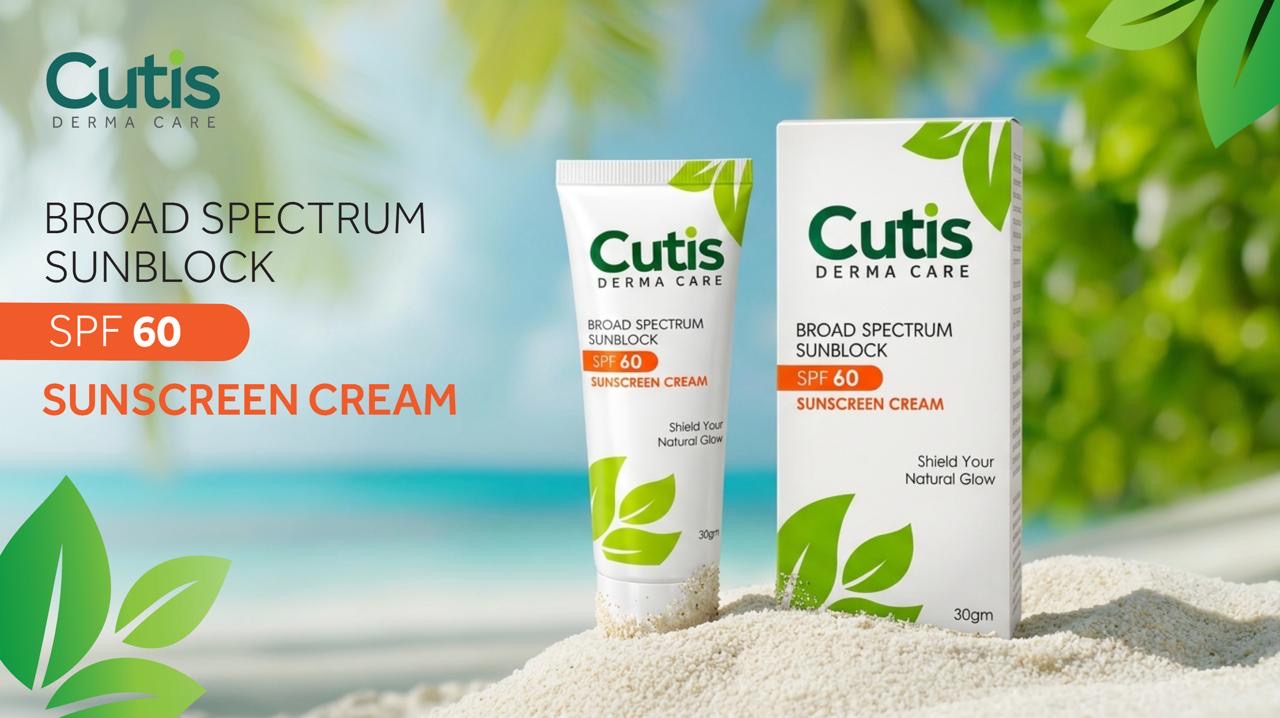
Broad Spectrum Sunblock SPF 60
Product reference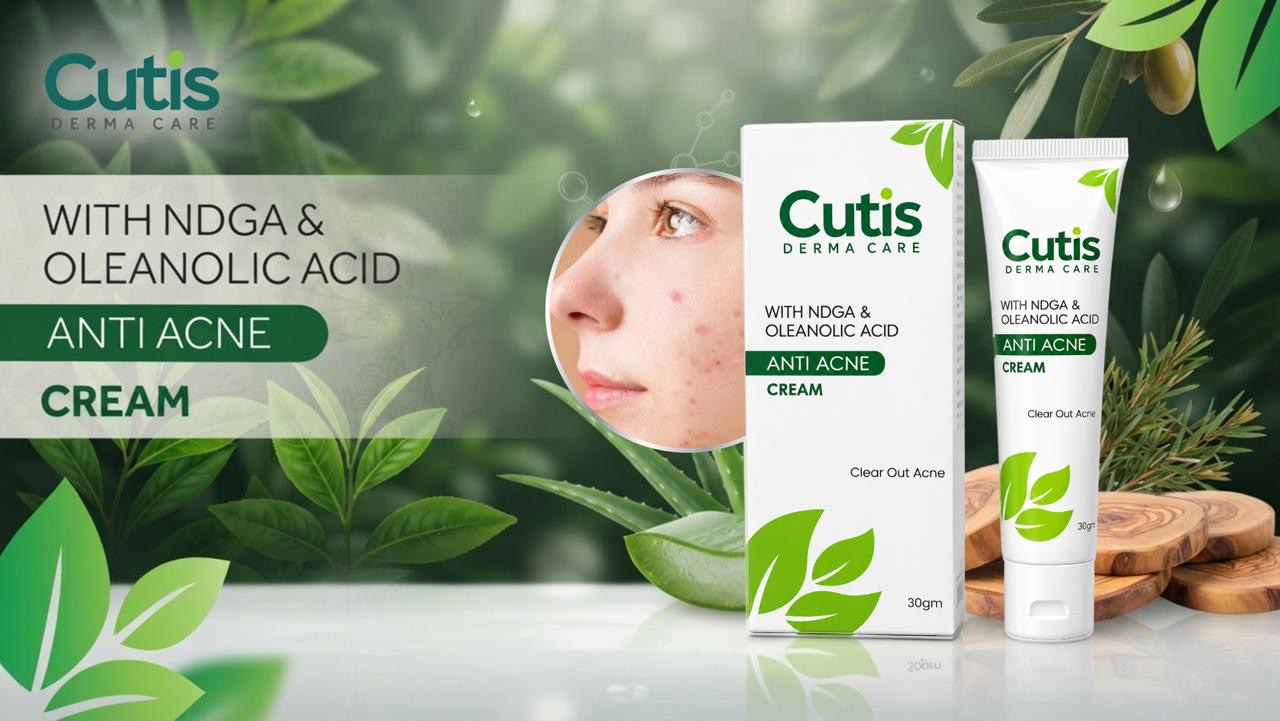
Cutis Anti Acne Cream
Product reference08
Sources & further reading
Independent sources underpin the educational sections. CUTIS product statements are considered separately.
- 1.DermNet — Postinflammatory hyperpigmentation
- 2.DermNet — Melasma
- 3.AAD — How to fade dark spots in darker skin
- 4.AAD — Melasma: Diagnosis and treatment
- 5.Nutrients (2023) — Oral collagen supplementation: systematic review and meta-analysis
- 6.Sarkar et al. — Glutathione and skin pigmentation: systematic review
Educational information only. This page does not diagnose a condition or replace individualized medical care. Consult a qualified healthcare professional for assessment and treatment.
← All concerns